Abstention Is Active Treatment
Stopping alcohol is part of treatment rather than simply a waiting period because liver function may improve after alcohol exposure is removed.




Alcohol-associated liver disease (ALD) covers a spectrum of liver injury, from steatosis to alcohol-associated hepatitis and cirrhosis. Continued heavy alcohol use is an important driver of progression, while individual risk varies.
Alcohol-related fat accumulation can occur early and may improve when alcohol exposure is stopped. Early disease may have few or no symptoms.

A more severe inflammatory form of alcohol-related liver injury that can cause jaundice and acute deterioration and requires specialist assessment.

Long-term injury can lead to fibrosis and cirrhosis, with complications such as ascites, hepatic encephalopathy and gastrointestinal bleeding.
Alcohol-associated liver disease can progress from fatty liver to alcohol-associated hepatitis, fibrosis and cirrhosis, but progression is not inevitable and individual risk varies.
Fat accumulation in the liver can occur early in the disease spectrum. It may improve when alcohol exposure is stopped.
Repeated liver injury can lead to fibrosis, in which scar tissue progressively replaces healthy liver tissue.
Abnormal cholesterol, high blood pressure and related metabolic risk factors should be considered during evaluation.
Advanced scarring can result in cirrhosis and loss of liver reserve, with complications requiring specialist management.
Symptoms vary with disease stage. Early fatty liver may cause few or no symptoms, while alcohol-associated hepatitis and advanced disease can produce more obvious or urgent clinical features.
Alcohol-related fatty liver may have few or no symptoms and can be discovered during evaluation for abnormal liver tests or imaging.

Yellowing of the skin or eyes can occur with alcohol-associated hepatitis or advanced liver disease and requires clinical assessment.

Alcohol-associated hepatitis may present with abdominal pain and fever, particularly after recent heavy drinking.

Advanced liver disease may cause fluid accumulation in the abdomen, leading to increasing abdominal swelling.

Hepatic encephalopathy can cause confusion, altered behaviour or unusual drowsiness and requires medical assessment.

Vomiting blood or black stools, severe abdominal swelling, fever, rapidly worsening illness, or new/worsening jaundice require urgent medical assessment.
Alcohol-associated hepatitis is inflammation of the liver directly caused by alcohol. Severe alcohol-associated hepatitis is a medical emergency and typically requires hospital admission.
Alcohol-associated hepatitis can cause significant liver inflammation and jaundice and may lead to acute clinical deterioration.
Severe alcohol-associated hepatitis can deteriorate rapidly and requires hospital-level specialist care.
Severe disease may require assessment and treatment for complications such as infection and other manifestations of advanced liver injury.
Nutritional support is an important part of care, particularly in alcohol-associated hepatitis and advanced disease.
Immediate and complete abstinence from alcohol is central to treatment, with medically appropriate support where alcohol dependence is present.
In selected severe cases meeting clinical criteria, corticosteroid therapy may be considered under close medical supervision.
Evaluation looks at alcohol exposure, symptoms, liver blood tests, imaging, fibrosis and the presence or absence of complications.
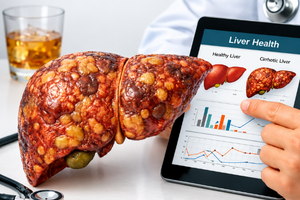
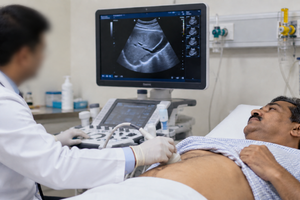



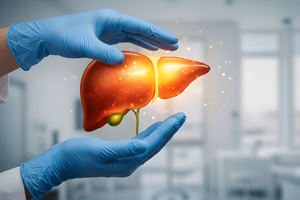
Treatment depends on disease stage. A central component is achieving and maintaining abstinence from alcohol, supported by appropriate medical, nutritional and behavioural care.
Abstinence is a core component of treatment and can reduce ongoing liver injury.
People who may have alcohol dependence should receive medically appropriate support rather than attempting unsafe abrupt withdrawal without guidance.
Cirrhosis and advanced disease may require management of ascites, hepatic encephalopathy, portal-hypertension complications and other problems.
Nutritional support is part of the treatment framework, particularly in alcohol-associated hepatitis and advanced disease.
Structured abstention and treatment of co-existing alcohol use disorder may include addiction medicine, counselling or other appropriate support.
Response to abstinence and medical treatment is assessed. Selected patients with advanced disease may proceed to transplant evaluation.
Where alcohol is the primary driver of liver disease, care includes assessing reversibility, supporting sustained abstinence, addressing nutritional problems and treating any co-existing alcohol use disorder.
Stopping alcohol is part of treatment rather than simply a waiting period because liver function may improve after alcohol exposure is removed.
A structured and clinically monitored approach can support sustained abstinence. There is no single fixed abstinence duration that applies to every transplant candidate.
Nutritional rehabilitation is particularly important in alcohol-associated hepatitis and advanced disease, where nutritional problems may coexist.
Counselling, addiction medicine and other behavioural support can help address the underlying alcohol-use disorder and support long-term liver care.
Advanced or decompensated disease is characterised by loss of liver reserve and complications requiring closer specialist management.
Cirrhosis represents a later stage of alcohol-related liver disease and can be associated with loss of liver function.
Ascites, hepatic encephalopathy and gastrointestinal bleeding are important complications of advanced disease.
Jaundice, infection risk and worsening nutritional status can accompany advanced liver disease and require specialist care.
Care may include complication management, prognosis and goals-of-care discussions, palliative support where appropriate, and transplant assessment for selected patients.
Some patients with advanced or decompensated alcohol-associated liver disease may be considered for transplant evaluation. Eligibility is individualised.
Assessment considers disease severity, response to abstinence and medical treatment, nutritional status, psychosocial support and ability to maintain long-term abstinence.
Selected patients with severe alcohol-associated hepatitis that does not respond to medical therapy may be referred for transplant evaluation in appropriate circumstances.
There is no single fixed duration of abstinence that applies to every patient; current clinical assessment and transplant protocol determine suitability.
Sustained abstinence remains important after transplant, with ongoing medical, behavioural and psychosocial support considered where appropriate.
Specialist review is appropriate when alcohol-related liver injury is suspected, when abnormal liver tests or imaging need explanation, or when symptoms suggest advanced disease.
Known or suspected alcohol-associated liver disease, abnormal liver blood tests or imaging findings, and concerns about fibrosis or cirrhosis should be evaluated by a liver specialist.
Known cirrhosis, recurrent ascites, confusion, jaundice or other complications may require closer specialist management and assessment of advanced-care pathways.
Some patients with liver cancer may be evaluated for transplantation depending on tumour characteristics, liver function and established criteria.

MBBS · DNB (General Surgery) · Fellowship in Liver Transplantation, Global Hospital, Chennai
Dr. Manoj Shrivastav is a liver transplant surgeon at Ruby Hall Clinic, Pune, and currently leads the multi-organ transplant programme. He has personally completed over 200 liver transplants in Pune, 100 of them in the past year alone, with a survival rate above 95% and a one-year survival rate of 92% across his transplant series.



He is equipped to handle acute surgical emergencies and trauma across a variety of scenarios, has performed major liver resections for hepatocellular carcinoma and cholangiocarcinoma, and believes a successful transplant depends on excellent teamwork across the entire clinical team — not one surgeon alone.
Meet the TeamAlcohol-associated steatosis can improve when alcohol exposure is stopped, although the degree of recovery varies with the underlying liver condition.
No. ALD is a spectrum. Some people develop more advanced disease while others do not; continued alcohol exposure and other risk factors influence progression.
Yes, in many cases. Milder disease may improve with abstinence, nutritional support and medical management. Transplant evaluation is considered for selected severe, non-responding cases or advanced cirrhosis.
There is no single fixed number that applies to every patient. The supplied source states that disease severity, response to abstinence and psychosocial readiness are assessed individually.
Some patients with advanced disease may be considered for transplant evaluation. Eligibility is determined through specialist assessment.
Active management of complications such as ascites and encephalopathy, nutritional support, infection prevention and clear discussions about prognosis and goals of care, with palliative support where appropriate.
New or worsening jaundice, vomiting blood or black stools, confusion or unusual drowsiness, severe abdominal swelling, fever or rapidly worsening illness require urgent medical assessment.

Bring relevant liver blood-test reports, scans, medication details and information about alcohol use to your consultation.