Blood Tests
Blood tests may assess liver enzymes, bilirubin, inflammation and other indicators that help evaluate a suspected gallbladder or bile duct problem.


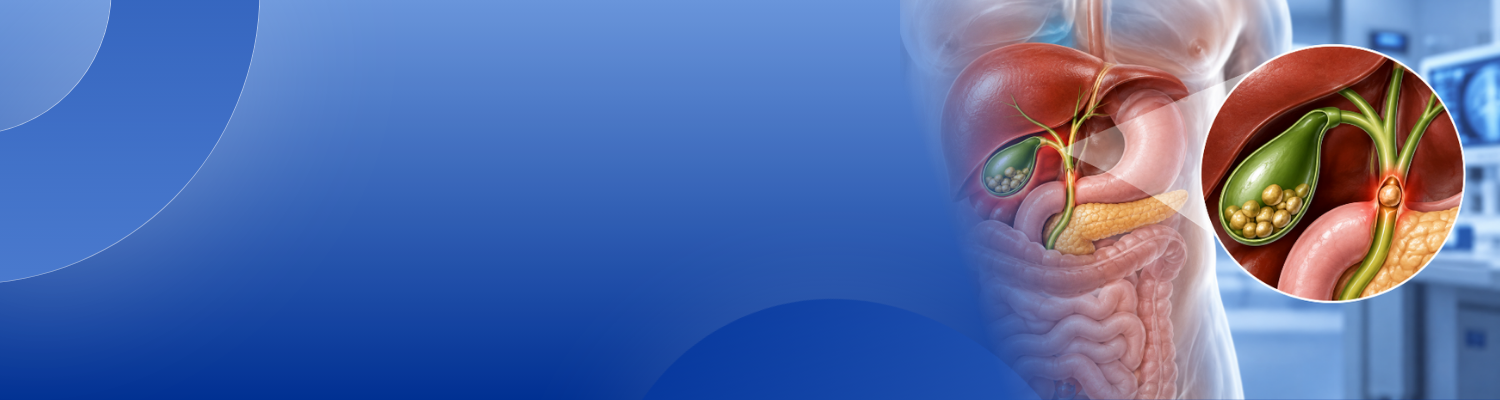
The gallbladder is a small organ beneath the liver that stores bile. Bile travels from the liver through a network of bile ducts to the small intestine, where it helps digest fats.
Gallbladder and bile duct disorders occur when these organs or ducts become inflamed, obstructed, narrowed or otherwise affected by disease. Gallstones are a common cause of gallbladder problems and can sometimes move into or obstruct the bile ducts. Other conditions include inflammation of the gallbladder, bile duct strictures and infections associated with obstruction.
Symptoms, diagnostic findings and treatment requirements vary depending on the condition. A specialist assessment helps identify the cause and determine the appropriate management plan.

Gallstones may cause no symptoms or may lead to pain, inflammation or complications. Treatment depends on symptoms and clinical findings.

A blocked bile duct can prevent bile from draining normally and may cause jaundice, abdominal pain or infection.
Inflammation, often associated with gallstones, can cause persistent pain and may require urgent medical evaluation.
Gallbladder and bile duct disorders can arise from stones, inflammation, narrowing or other structural abnormalities. Identifying the location and cause of the problem is important for selecting appropriate treatment.
Hardened deposits can form in the gallbladder. Some people have no symptoms, while others experience pain, particularly in the upper right or upper central abdomen.
Inflammation of the gallbladder, commonly associated with a gallstone blocking its outlet, can cause persistent abdominal pain, tenderness and fever.
Stones in the common bile duct can obstruct bile flow and may lead to jaundice, infection or inflammation of the pancreas.
Narrowing or blockage of a bile duct may occur for several reasons, including inflammation, injury, stones or tumours. Evaluation is needed to determine the cause.

Infection associated with an obstructed bile duct can become serious and may require urgent hospital treatment and drainage of the bile duct.
Abnormal growths may affect bile flow or the gallbladder. Specialist investigation is required when symptoms or imaging findings raise concern. Clinical review required: confirm the final list of conditions with the hospital's clinical team before publication.
Gallbladder and bile duct disorders can cause different symptoms depending on whether there is a stone, inflammation, obstruction or infection. Some gallstones may not cause symptoms at all.
Pain may occur in the upper right or upper central abdomen and can sometimes spread to the back or right shoulder.
Some people experience abdominal pain after eating, particularly after a heavy or fatty meal.
These symptoms may accompany gallbladder pain or inflammation.
Yellowing of the skin or whites of the eyes can occur when bile flow is obstructed.
Changes in urine or stool colour may occur when bile cannot flow normally into the intestine.
These may indicate inflammation or infection, particularly when a bile duct is obstructed.
Some gallbladder and bile duct disorders can progress to complications if a stone or another problem blocks normal bile flow. The risks depend on the underlying condition and the duration and severity of obstruction.
A blocked gallbladder outlet can cause inflammation, persistent pain and, in some cases, further complications.
Obstruction can cause bilirubin to accumulate in the body, leading to yellowing of the skin and eyes.
Infection of an obstructed bile duct can become life-threatening and requires urgent assessment and treatment.
A gallstone blocking the shared drainage region can trigger inflammation of the pancreas.
Severe inflammation can sometimes lead to tissue damage, perforation or other complications.
Prolonged obstruction may affect the liver and can require timely diagnosis and intervention.
Diagnosis begins with a review of symptoms, medical history and physical examination. Depending on the suspected condition, the clinician may recommend blood tests, imaging or specialised procedures to identify gallstones, inflammation, obstruction or other abnormalities
Blood tests may assess liver enzymes, bilirubin, inflammation and other indicators that help evaluate a suspected gallbladder or bile duct problem.
Abdominal ultrasound is commonly used to look for gallstones, gallbladder inflammation and signs of bile duct dilatation.
Depending on the clinical findings, further imaging may help identify the location and cause of an obstruction or assess surrounding structures.
Endoscopic retrograde cholangiopancreatography (ERCP) may be used to investigate and treat selected bile duct problems, including stone removal or drainage.
Treatment depends on the specific diagnosis, severity of symptoms, presence of infection or obstruction, and the patient's overall health. Options may include observation, medication for selected conditions, endoscopic treatment or surgery.
The specialist reviews symptoms, examination findings and test results to identify the underlying condition.
Selected patients, particularly those with asymptomatic gallstones, may be monitored. Medication may be used to manage specific symptoms or associated conditions when appropriate.
Cholecystectomy, the surgical removal of the gallbladder, is a common treatment for symptomatic gallstones and certain gallbladder complications. The approach depends on the clinical situation.
ERCP can be used in selected cases to remove bile duct stones, relieve obstruction or facilitate drainage.
Bile duct infection may require urgent antibiotics and drainage. Narrowed ducts may need endoscopic, radiological or surgical treatment, depending on the cause.
Follow-up care depends on the procedure performed, the underlying condition and the patient’s recovery. The treating team provides guidance on diet, activity, medication and any further investigations. Clinical approval required: confirm the exact procedures, treatment capabilities and services offered by Ruby Hall Clinic's relevant hepatobiliary team before publication.
Gallbladder and bile duct conditions may require coordination between specialists in hepatobiliary surgery, gastroenterology, endoscopy, radiology and other relevant disciplines.
At Ruby Hall Clinic, Pune, patients can seek clinical evaluation to help identify the cause of their symptoms and understand the appropriate diagnostic and treatment options. The recommended care pathway will depend on the patient's condition and the specialist's assessment.
Primary CTA: Book a Consultation. Suggested secondary CTA: Explore Liver & HPB Surgery. Link only after the destination page is live and verified. Do not publish unverified claims about specialist availability, procedure volumes, success rates or clinical outcomes.

MBBS · DNB (General Surgery) · Fellowship in Liver Transplantation, Global Hospital, Chennai
Dr. Manoj Shrivastav is a liver transplant surgeon at Ruby Hall Clinic, Pune, and currently leads the multi-organ transplant programme. He has personally completed over 200 liver transplants in Pune, 100 of them in the past year alone, with a survival rate above 95% and a one-year survival rate of 92% across his transplant series.



He is equipped to handle acute surgical emergencies and trauma across a variety of scenarios, has performed major liver resections for hepatocellular carcinoma and cholangiocarcinoma, and believes a successful transplant depends on excellent teamwork across the entire clinical team — not one surgeon alone.
Meet the TeamCommon gallbladder disorders include gallstones and cholecystitis, which is inflammation of the gallbladder. Some gallstones cause no symptoms, while others can lead to abdominal pain or complications.
Gallbladder stones form inside the gallbladder. Bile duct stones are stones that are present in the ducts carrying bile to the intestine. Bile duct stones can obstruct bile flow and may require endoscopic or other specialist treatment.
Symptoms may include jaundice, dark urine, pale stools, itching and abdominal pain. Fever or chills accompanying these symptoms may indicate an infection and require urgent medical assessment.
Yes. Gallstones may be discovered incidentally during imaging and may not require immediate treatment. The appropriate approach depends on symptoms, individual risk factors and clinical findings.
Abdominal ultrasound is commonly used to identify gallstones. Blood tests and further imaging, such as MRCP or CT when indicated, may help assess inflammation, obstruction or other complications.
No. Asymptomatic gallstones often do not require treatment. Symptomatic gallstones or gallstones causing complications may require gallbladder removal or another intervention, depending on the diagnosis.
In many cases, bile duct stones can be removed endoscopically using ERCP. The appropriate procedure depends on the stone’s location, the patient’s condition and the clinical assessment.
Yes. A blockage in the bile ducts can prevent bile from draining normally and cause bilirubin to accumulate in the body, leading to jaundice. Jaundice can also have other causes and should be medically evaluated.
Consult a medical professional if you experience recurrent upper abdominal pain, nausea associated with pain, jaundice or other persistent symptoms. Severe pain, fever with chills or suspected bile duct infection requires urgent medical attention.
Patients in Pune can contact Ruby Hall Clinic to enquire about assessment of gallbladder and bile duct disorders. The appropriate specialist, investigations and treatment options will depend on the patient’s symptoms and clinical findings.