



CURRENT INDIA TIME ✦ Loading... ✦
× Coming Soon
cirrhosis-chronic-banner Treatment cirrhosis chronic banner

Cirrhosis of the Liver

What Is Cirrhosis of the Liver?

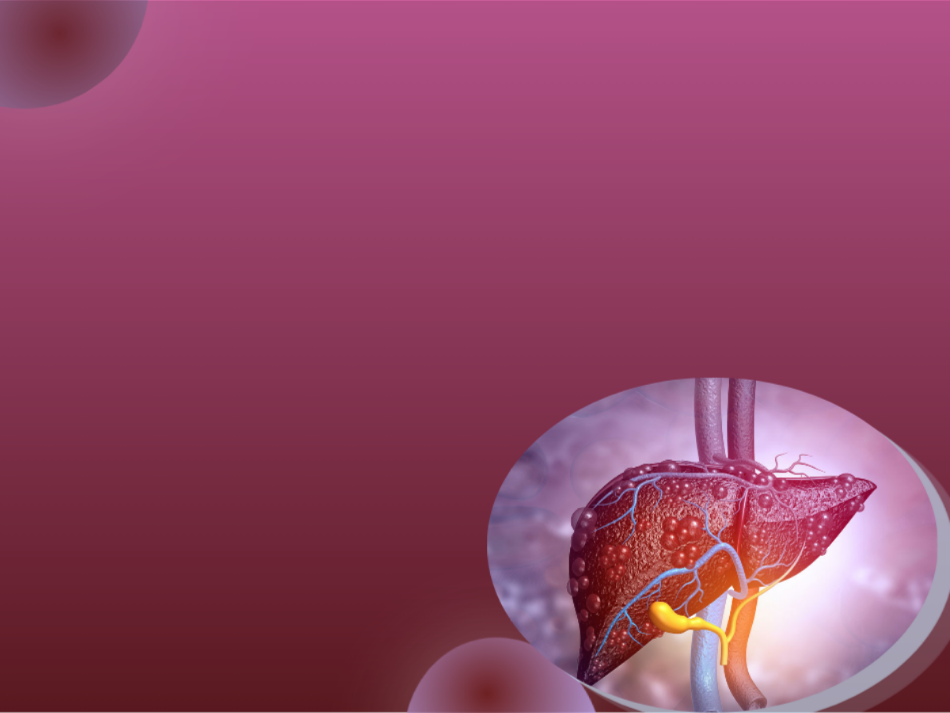
Cirrhosis is a long-term condition in which healthy liver tissue is progressively replaced by scar tissue. As scarring increases, the liver can become less able to perform its normal functions and may develop complications.


Cirrhosis can develop due to several underlying liver conditions, including chronic viral hepatitis, alcohol-related liver disease, metabolic liver disease and autoimmune liver diseases. The course of cirrhosis can vary from person to person, depending on its cause, the extent of liver damage and how well liver function is maintained.

Manage Metabolic Conditions

Cirrhosis Does Not Always Mean Liver Failure

Some people with cirrhosis may have few or no symptoms for a long period. As the disease progresses, complications can develop and may require specialist treatment and closer monitoring.

Manage Metabolic Conditions

Individual Assessment Is Important

The first step in managing cirrhosis is to identify its underlying cause, assess the extent of liver damage and determine whether complications are present. Treatment and monitoring are then tailored to the individual's condition.

Manage Metabolic Conditions

A Liver Transplant Is Not Always Required

A diagnosis of cirrhosis does not automatically mean that a liver transplant is required. Selected patients with advanced liver disease may be assessed for liver transplantation when appropriate.

Clinical pathway

What Causes Cirrhosis of the Liver?

Cirrhosis can develop when the liver is repeatedly damaged over a long period of time. Several underlying liver conditions can cause ongoing inflammation, scarring and progressive loss of healthy liver tissue.

1

Chronic Hepatitis B & Hepatitis C

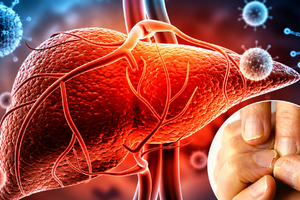
Long-term viral hepatitis can cause ongoing inflammation and liver damage, which may progress to fibrosis and cirrhosis.

2

Alcohol-Related Liver Disease

Long-term alcohol-related liver injury can cause inflammation and progressive scarring of the liver, potentially leading to cirrhosis.

3

Fatty Liver & Metabolic Liver Disease

Metabolic liver disease, including fatty liver disease, can cause ongoing liver injury and, in some patients, progress to advanced fibrosis and cirrhosis.

4

Autoimmune & Other Liver Diseases

Autoimmune liver diseases and other chronic liver conditions can also cause progressive liver damage and cirrhosis.

What Are the Symptoms of Cirrhosis?

Cirrhosis may not cause noticeable symptoms in its early stages. As liver damage progresses, symptoms can develop and may vary depending on the extent of liver dysfunction and whether complications are present.

Donor assessment

Persistent Tiredness or Weakness

Ongoing fatigue or weakness can occur in people with chronic liver disease.

Recipient assessment

Loss of Appetite or Unintentional Weight Loss

Changes in appetite and unexplained weight loss may occur as liver disease progresses.

Compatibility and graft assessment

Nausea or Digestive Discomfort

Some people may experience nausea or other digestive symptoms associated with liver disease.

Assess-the-liver2

Jaundice

Yellowing of the skin or whites of the eyes can occur when bilirubin builds up in the body.

Assess-the-liver2

Swelling of the Legs or Ankles

Fluid accumulation can cause swelling in the lower limbs.

Assess-the-liver2

Abdominal Swelling

Fluid accumulation in the abdomen, known as ascites, can cause the abdomen to become swollen.

When Should Cirrhosis Symptoms Be Evaluated?

Persistent, worsening or unexplained symptoms should be assessed by a liver specialist, particularly when there is a known history of liver disease.

Book Consultation
Multidisciplinary care

What Are the Complications of Cirrhosis?

As cirrhosis progresses, increasing liver scarring can lead to complications that affect fluid balance, blood flow, brain function and other organs. The risk and severity of complications vary between patients and depend on the stage of liver disease.

1

Ascites

Fluid can accumulate in the abdomen, causing abdominal swelling and discomfort.

2

Portal Hypertension

Scarring can affect normal blood flow through the liver and contribute to increased pressure in the portal circulation.

3

Variceal Bleeding

Increased pressure in the portal circulation can contribute to enlarged veins in the digestive tract, which may bleed.

4

Jaundice

Reduced liver function can lead to accumulation of bilirubin, causing yellowing of the skin and eyes.

5

Kidney Dysfunction

Advanced liver disease can be associated with impaired kidney function and requires close medical monitoring.

6

Liver Cancer

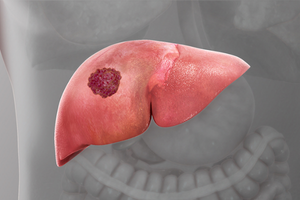
Cirrhosis is an important risk factor for hepatocellular carcinoma, so appropriate patients may require regular liver cancer surveillance.

What Are the Signs of Advanced Cirrhosis?

Increasing abdominal swelling, gastrointestinal bleeding, jaundice, confusion or worsening liver and kidney function can indicate advanced liver disease and require specialist assessment.

Book Consultation
Diagnosis

How Is Cirrhosis Diagnosed and Evaluated?

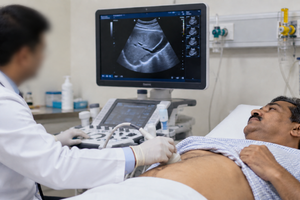
Cirrhosis is evaluated using medical history, physical examination, blood tests and imaging. Additional tests may be recommended to identify the underlying cause, assess liver function and severity, monitor complications, and determine whether advanced liver care is needed.

Blood Tests

Blood Tests

Imaging & Liver Assessment

Imaging & Liver Assessment

Severity Assessment

Severity Assessment

Find the Cause

Find the Cause

Cancer Surveillance

Cancer Surveillance

Transplant Assessment

Transplant Assessment

Patient Journey

How Is Cirrhosis Treated?

Cirrhosis treatment focuses on treating the underlying cause, preventing or managing complications, protecting remaining liver function and monitoring the disease over time. Treatment depends on the cause and severity of cirrhosis and whether complications have developed.

1

Treat the Cause

Treatment is directed at the condition responsible for liver damage whenever appropriate.

2

Manage Complications

Complications such as fluid accumulation, bleeding, jaundice or changes in mental alertness may require specific treatment and monitoring.

3

Nutrition & Lifestyle

Nutrition and lifestyle measures form part of ongoing management and may be tailored to the patient's condition.

4

Regular Monitoring

Follow-up helps assess liver function, disease progression and the development or recurrence of complications.

5

Endoscopic Care

Some complications of advanced liver disease may require endoscopic or other specialist interventions.

6

Advanced Liver Care

Patients with advanced disease may require specialist assessment for additional treatment options, including evaluation for liver transplantation when appropriate.

Advanced liver disease

What Happens When Cirrhosis Becomes Advanced?

Advanced cirrhosis can occur when progressive liver damage significantly affects liver function or leads to complications such as ascites, gastrointestinal bleeding, jaundice, hepatic encephalopathy or kidney dysfunction. Patients with advanced disease may require closer specialist monitoring and, in selected cases, evaluation for liver transplantation.

Liver transplant cost

When cirrhosis becomes advanced, the care plan may involve:

  1. Managing worsening liver function
  2. Treating recurrent complications
  3. Closer specialist monitoring
  4. Assessing nutritional needs
  5. Monitoring for liver cancer
  6. Assessing for advanced liver care

Cirrhosis and Liver Transplant in Pune

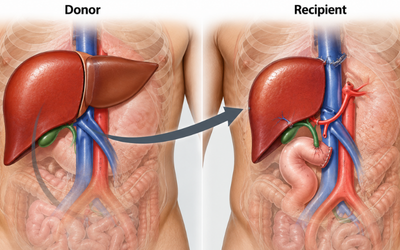
Some patients with advanced or decompensated cirrhosis may be evaluated for a liver transplant when liver function is significantly affected or complications become difficult to control. Transplant evaluation is individualised and considers disease severity, overall health and other relevant medical factors.

1

Advanced or decompensated liver disease

Transplant evaluation may be considered when cirrhosis has progressed significantly and liver function is substantially affected.

2

Recurrent or serious complications

Complications such as ascites, gastrointestinal bleeding or hepatic encephalopathy may prompt assessment for advanced liver care.

3

Living- and deceased-donor pathways

Eligible patients may be evaluated through the appropriate living-donor or deceased-donor transplant pathway, subject to applicable medical and regulatory requirements.

Our Doctors

Meet Our Liver Transplant Surgeons & Hepatology Team

Dr. Manoj Shrivastav, HOD at Multi-Organ Transplant

Dr. Manoj Shrivastav

MBBS · DNB (General Surgery) · Fellowship in Liver Transplantation, Global Hospital, Chennai

Dr. Manoj Shrivastav is a liver transplant surgeon at Ruby Hall Clinic, Pune, and currently leads the multi-organ transplant programme. He has personally completed over 200 liver transplants in Pune, 100 of them in the past year alone, with a survival rate above 95% and a one-year survival rate of 92% across his transplant series.

800+
Liver transplants
in Pune
95%+
Survival
rate
92%
One-year
survival rate

He is equipped to handle acute surgical emergencies and trauma across a variety of scenarios, has performed major liver resections for hepatocellular carcinoma and cholangiocarcinoma, and believes a successful transplant depends on excellent teamwork across the entire clinical team — not one surgeon alone.

Meet the Team
FAQs

Frequently Asked Questions About Cirrhosis

Can Cirrhosis Be Reversed?

Whether liver damage can improve depends on its cause, severity and stage. Treating the underlying disease and preventing further liver injury are important parts of cirrhosis management.

Does Everyone With Cirrhosis Need a Liver Transplant?

No. Many patients can be managed with treatment of the underlying cause, prevention and treatment of complications, and regular monitoring. Liver transplant evaluation is considered for selected patients with advanced disease.

What Are the Signs That Cirrhosis Has Become Advanced?

Recurrent fluid accumulation, gastrointestinal bleeding, jaundice, confusion, or worsening liver and kidney function can indicate advanced disease and require specialist assessment.

Can Cirrhosis Increase the Risk of Liver Cancer?

Yes. Cirrhosis is an important risk factor for hepatocellular carcinoma. Patients with cirrhosis may therefore require regular liver cancer surveillance as advised by their liver specialist.

Can Someone With Cirrhosis Be Evaluated for a Liver Transplant?

Yes. Selected patients with advanced or decompensated liver disease can be evaluated for transplantation. The transplant team considers the diagnosis, disease severity, overall health and other relevant medical factors when assessing suitability.

How Is Cirrhosis Monitored Over Time?

Monitoring may include assessment of liver function, disease progression, complications and the underlying cause, along with appropriate imaging or other investigations when required. Follow-up is tailored to the patient's clinical condition.

Appointment Banner
Talk to the liver team

Get your Cirrhosis Chronic reports reviewed by a liver specialist

Bring your HCV antibody/RNA reports, liver tests, scans and current medication list to your consultation.

Call Now Book Consultation