Jaundice
Yellowing of the skin or whites of the eyes can occur when bile flow is blocked. New jaundice needs prompt medical assessment.



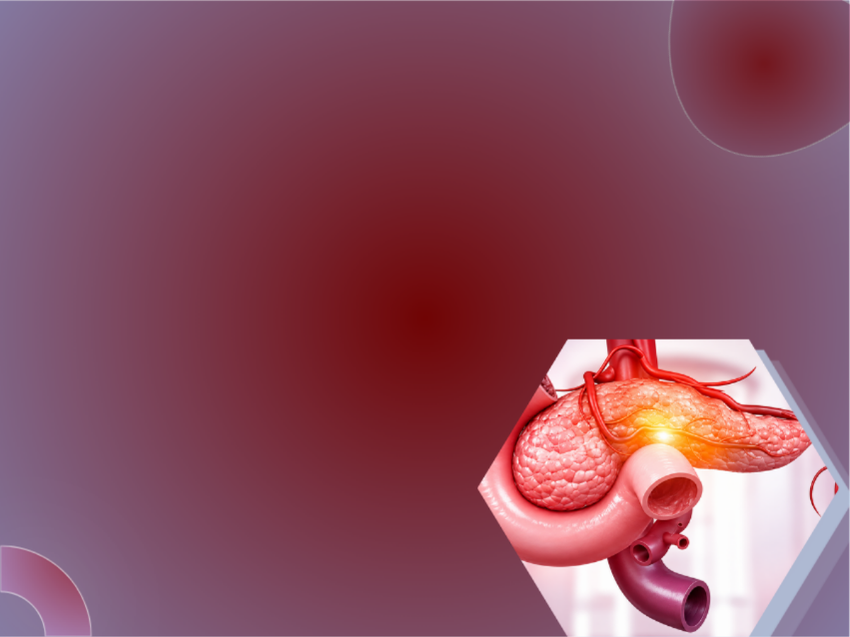
Pancreatic cancer develops when abnormal cells in the pancreas grow in an uncontrolled way. The pancreas is located in the abdomen and plays a role in digestion and blood-sugar regulation. The type of tumour, its location and whether it has spread help determine which investigations and treatment options may be appropriate.

Many pancreatic cancers begin in the ducts of the pancreas, although other tumour types can occur. The exact diagnosis matters because treatment differs by tumour type and individual clinical findings.

Symptoms such as jaundice, unexplained weight loss or persistent abdominal or back pain can have several causes. They should not be used on their own to diagnose cancer, but persistent or concerning symptoms warrant medical assessment.

Treatment planning considers biopsy or pathology findings when indicated, imaging, the tumour’s relationship to nearby structures, whether disease has spread, overall health and the patient’s preferences.
Evaluation brings together the patient’s symptoms and medical history, examination, imaging and other tests as clinically appropriate. The aim is to establish the diagnosis, assess the extent of disease and determine which treatment pathways should be discussed.
The clinician reviews symptoms, previous illnesses, medicines, general fitness and available reports. Additional tests may be advised based on the findings.
CT or MRI scans and, in selected cases, other imaging help assess the pancreas, nearby blood vessels, lymph nodes and possible spread.
Endoscopic ultrasound and biopsy may be considered when tissue confirmation is needed to guide treatment.
Depending on the case and local care pathway, relevant specialists may review the findings together to discuss surgery, systemic treatment, radiation therapy or supportive care.
Pancreatic cancer may not cause clear symptoms in its early stages. Symptoms can also be caused by conditions other than cancer. Seek medical advice for persistent, unexplained or worsening symptoms.
Yellowing of the skin or whites of the eyes can occur when bile flow is blocked. New jaundice needs prompt medical assessment.
Changes in urine or stool colour may occur with problems affecting bile flow and should be assessed in context.
Unintentional weight loss or appetite changes can have many causes and warrant review if persistent.
Persistent pain in the upper abdomen or back should be assessed, particularly when accompanied by other symptoms.
There is no single treatment plan for every pancreatic cancer. Options depend on the tumour type and stage, whether it can be removed safely, the patient’s overall health and the goals of care.

Surgery may be considered when the tumour can be removed and the patient is medically suitable. The operation depends on the tumour’s location and extent.
Medicines may be used before surgery, after surgery or as the main treatment when surgery is not appropriate. The sequence depends on the individual case.

Radiation may be considered for selected patients as part of a wider treatment plan.
Cross-sectional imaging helps assess the tumour’s size and location, its relationship to nearby blood vessels and whether there are signs of spread.
In selected cases, endoscopic ultrasound can provide a closer assessment of the pancreas and may allow tissue sampling.
A biopsy may be recommended when tissue confirmation is needed. The decision and method depend on the clinical situation.
Staging considers the extent of disease. The team also evaluates whether a patient is likely to tolerate the proposed treatment.
The Whipple procedure, also called pancreaticoduodenectomy, is a major operation most often used for selected tumours in the head of the pancreas and certain nearby structures. It usually involves removing the head of the pancreas, the duodenum, the gallbladder and part of the bile duct, followed by reconstruction to allow digestion to continue. The exact operation depends on the diagnosis and surgical plan.
The team reviews imaging, pathology where needed and the patient’s overall condition before deciding whether surgery is appropriate.

The relationship between the tumour and nearby blood vessels, as well as any spread of disease, is central to surgical planning.

Some patients may be advised to have treatment before surgery; others may proceed to surgery first. This decision is individualised.

The team explains the expected hospital course, potential risks, nutrition considerations, follow-up and warning signs that require medical attention.
After surgery, the care team monitors recovery, pain, fluid balance, bowel function and possible complications.
Eating patterns and digestion may change after surgery. The team may provide tailored nutrition advice and assess whether digestive enzyme support is needed.
As with major surgery, risks can include infection, bleeding, delayed stomach emptying, leakage from surgical connections and other complications. Individual risk varies.
Surgery may be considered when the tumour can be removed with an appropriate surgical plan and there is no disqualifying spread.
The tumour’s relationship to nearby blood vessels may make surgery more complex. A specialist team may consider treatment before reassessing surgery.
When local involvement prevents safe removal, other treatments may be recommended. Options depend on the individual case.
When cancer has spread to distant sites, treatment commonly focuses on systemic therapy and symptom management rather than Whipple surgery.

MBBS · DNB (General Surgery) · Fellowship in Liver Transplantation, Global Hospital, Chennai
Dr. Manoj Shrivastav is a liver transplant surgeon at Ruby Hall Clinic, Pune, and currently leads the multi-organ transplant programme. He has personally completed over 200 liver transplants in Pune, 100 of them in the past year alone, with a survival rate above 95% and a one-year survival rate of 92% across his transplant series.



He is equipped to handle acute surgical emergencies and trauma across a variety of scenarios, has performed major liver resections for hepatocellular carcinoma and cholangiocarcinoma, and believes a successful transplant depends on excellent teamwork across the entire clinical team — not one surgeon alone.
Meet the TeamThe Whipple procedure, or pancreaticoduodenectomy, is a major operation used for selected tumours in the head of the pancreas and certain nearby structures. It removes affected structures and reconstructs the digestive pathway.
Surgery may be part of treatment intended to remove localised disease, but outcomes depend on tumour type, stage, surgical findings and other clinical factors. No individual outcome can be guaranteed.
Eligibility depends on tumour location and extent, involvement of nearby blood vessels, whether disease has spread, overall health and specialist assessment.
Assessment may include clinical history and examination, CT or MRI imaging, endoscopic ultrasound, biopsy when indicated and other tests selected by the treating team.
Yes. Depending on the stage and the patient’s condition, treatment may include chemotherapy, radiation therapy, supportive care or a combination of approaches.
Recovery varies by patient and by whether complications occur. The treating team can explain the expected hospital stay, nutrition plan, activity restrictions and follow-up for the individual case.
New jaundice or persistent unexplained symptoms such as weight loss or abdominal/back pain should be assessed by a clinician. Severe or rapidly worsening symptoms need urgent medical attention.
Bring available scan images and reports, biopsy or pathology reports, previous discharge summaries, a list of medicines and relevant medical history.

If you have been advised to undergo further evaluation or have questions about pancreatic cancer treatment or the Whipple
procedure, arrange a consultation to review your reports and discuss the next steps. The recommended plan
will depend on your diagnosis, stage, overall health and specialist assessment.