Portion Awareness
Keep portions appropriate for activity level and metabolic goals.




Post-transplant nutrition is the ongoing nutrition plan used to support recovery after liver transplantation and long-term health. The exact plan changes with recovery stage, appetite, nutritional status, kidney function, diabetes, blood pressure, cholesterol and medicines.

Adequate nutrition supports healing, rebuilding nutritional reserves and maintaining muscle during recovery.

Immunosuppressive medicines increase infection risk, so safe preparation, cooking, storage and food handling are important.

The longer-term pattern should support healthy weight, glucose, blood pressure, cholesterol and cardiovascular health.
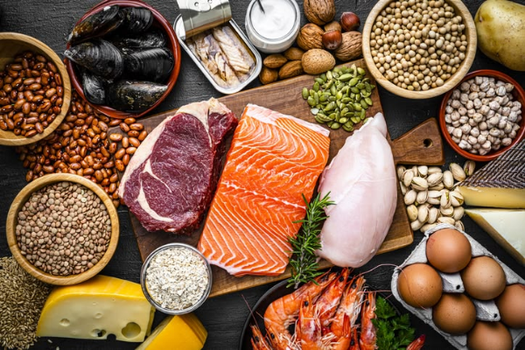
Dal, lentils, beans, pulses, curd/yogurt and paneer can be considered according to nutritional status, kidney function and the individual plan.
Freshly prepared chicken can be included when clinically appropriate. It should be thoroughly cooked and safely handled.
Roti, rice, millets and other suitable cereals can fit the meal plan in appropriate portions rather than following a rigid “one grain” rule.
Use safely washed produce; cooked vegetables are useful when food-safety restrictions are stricter. Fruit choices should follow patient-specific medicine and safety advice.

Adequate protein supports recovery and muscle maintenance; the amount should be individualized.

Weight gain can occur after transplant, so portion awareness and activity matter over the long term.

Pale stools can occur when normal bile flow into the intestine is reduced or obstructed.

Use the patient-specific plan for sodium intake, especially when blood pressure or fluid management is relevant.

Limit frequent high-sugar foods and drinks where glucose control is a concern.

Prefer healthier fat sources and limit repeated deepfried foods where appropriate.
Fluid needs and dietary choices may need adjustment when kidney function or other conditions affect intake.
Keep sweets and fried snacks occasional and portioncontrolled. Food safety and the patient’s medical plan remain the priority.
Prefer freshly prepared food and avoid uncovered foods, shared serving dishes and foods left at unsafe temperatures.
Freshly prepared, thoroughly cooked portions of biryani, kebabs and other dishes can fit when appropriate; avoid raw or undercooked foods.
Do not start prolonged or restrictive fasting without discussing it with the transplant team, particularly when medicines, diabetes, kidney function or nutritional recovery are relevant.
Weddings & Buffets Choose freshly prepared food where possible and be cautious with buffet foods that may have been sitting out.
Adapt the household menu rather than isolating the patient from family meals; safe handling and reasonable portions support long-term adherence.



Recovery, wound healing, food safety and rebuilding nutritional reserves are the main priorities.
Medication instructions, follow-up, food-safety advice and nutrition guidance should be understood before discharge.
As medicine doses change, nutrition increasingly addresses weight, glucose, blood pressure and cholesterol.
Build a sustainable balanced pattern rather than a restrictive crash diet.
Dietary restrictions may need to tighten again when immunosuppression increases or another illness develops.
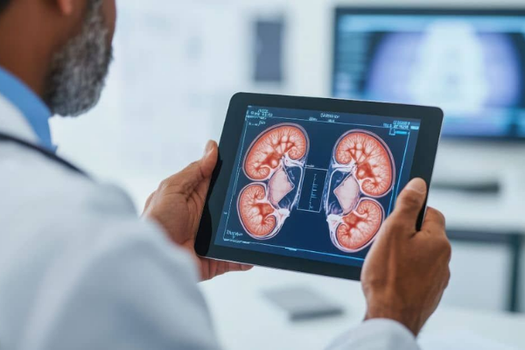
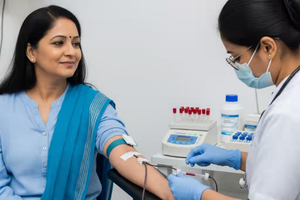
A dietitian/transplant team should reassess nutritional status, kidney function, diabetes, weight and other factors as needed.
Keep portions appropriate for activity level and metabolic goals.
Emphasize vegetables, whole foods, appropriate protein and fiber instead of restrictive crash diets.
Continue attention to weight, glucose, blood pressure and cholesterol.
Adjust the plan as medicines, illness, kidney function and other health factors change.
Avoid raw or undercooked poultry, meat, seafood and eggs.
Avoid unpasteurized milk, dairy products and juices.
Wash produce safely and avoid raw sprouts when advised.
Refrigerate prepared foods promptly and avoid foods left at unsafe temperatures.
Do not start herbal products, supplements or OTC medicines without checking with the transplant team.
Some fruits or juices, including grapefruit, may affect certain immunosuppressive medicines; patient-specific medication advice is essential.
Seek review when weight loss or weight gain is unexpected.
Persistent poor appetite or difficulty meeting nutrition needs may require reassessment.
Diabetes, abnormal cholesterol, blood-pressure concerns or kidney dysfunction may change dietary needs.
Ask the transplant/nutrition team when there is uncertainty about outside food, festivals, fasting, supplements or medication-related foods.
Nutrition advice should fit the transplant team’s medication and monitoring plan.
Food intake, protein and weight management support the broader recovery pathway.
Long-term nutrition can help address weight, glucose, blood pressure and cholesterol concerns.

MBBS · DNB (General Surgery) · Fellowship in Liver Transplantation, Global Hospital, Chennai
Dr. Manoj Shrivastav is a liver transplant surgeon at Ruby Hall Clinic, Pune, and currently leads the multi-organ transplant programme. He has personally completed over 200 liver transplants in Pune, 100 of them in the past year alone, with a survival rate above 95% and a one-year survival rate of 92% across his transplant series.


He is equipped to handle acute surgical emergencies and trauma across a variety of scenarios, has performed major liver resections for hepatocellular carcinoma and cholangiocarcinoma, and believes a successful transplant depends on excellent teamwork across the entire clinical team — not one surgeon alone.
Meet the TeamA balanced diet with appropriate protein, vegetables, whole foods and controlled salt, sugar and unhealthy fats can support recovery and long-term health. The exact plan should be individualized.
Yes. A primarily vegetarian diet can provide suitable protein and variety, but the diet should be individualized to nutritional status and kidney or metabolic conditions.
Yes, when clinically appropriate, provided it is thoroughly cooked and handled safely.
Occasional sweets may fit into a balanced diet, but frequent high-sugar and high-fat foods can make weight and metabolic control harder.
Do not begin prolonged or restrictive fasting without discussing it with the transplant team, particularly when medicines, diabetes, kidney function or nutritional recovery are relevant.
Follow the transplant team’s food-safety advice. Choose reputable establishments, freshly prepared thoroughly cooked food and avoid higher-risk raw, unpasteurized or buffet foods.
Alcohol should be avoided after liver transplantation.
Do not start herbal products or supplements without discussing them with the transplant team because they may have safety or medicine-interaction concerns.
Many patients can participate in festival meals when food is freshly prepared, safely cooked and portion-controlled, while following individual medical and medication-related advice.
Some fruits or juices, including grapefruit, can affect certain immunosuppressive medicines. Patients should follow the transplant team’s patient-specific advice.

Some fruits or juices, including grapefruit, can affect certain immunosuppressive medicines.Patients should
follow the transplant team’s patient-specific advice.