Maintain Sustainable Lifestyle Changes
Continue individualized dietary improvement and physical activity rather than treating lifestyle change as a short-term intervention.



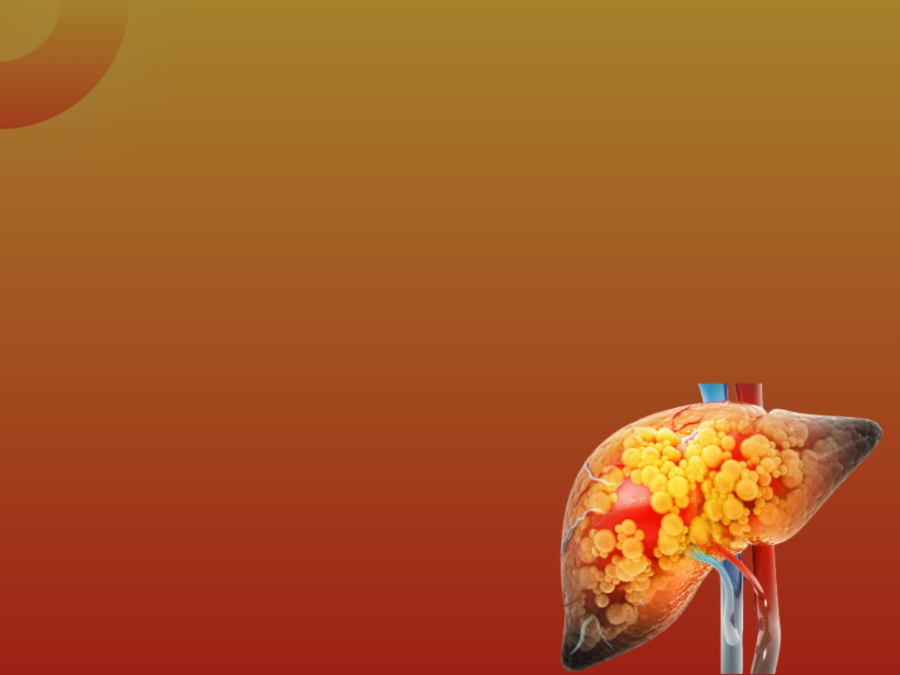
Steatotic liver disease describes excess fat accumulation in the liver. The term MASLD — metabolic dysfunction-associated steatotic liver disease — is used for fatty liver associated with cardiometabolic risk factors such as overweight or obesity, diabetes, hypertension and abnormal cholesterol.

Fat may accumulate in the liver without significant inflammation or advanced scarring, but assessment is important because disease severity varies between individuals.

Metabolic dysfunction-associated steatohepatitis (MASH) refers to fatty liver accompanied by liver inflammation and can progress to fibrosis.
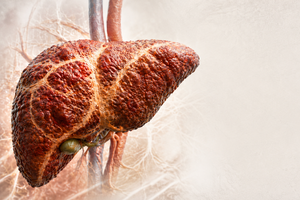
Progressive fibrosis can lead to cirrhosis and, in some patients, liver-related complications.
Fatty liver can occur in different clinical contexts. MASLD is associated with cardiometabolic risk factors, while alcohol intake, medicines and other possible causes also need to be reviewed so the treatment plan matches the underlying condition.
Excess body weight is a relevant metabolic risk factor in MASLD and should be assessed as part of the overall clinical picture.
Diabetes and impaired glucose regulation are important metabolic factors to review when fatty liver is identified.
Abnormal cholesterol, high blood pressure and related metabolic risk factors should be considered during evaluation.
Alcohol intake, medicines and other possible causes of steatosis should be reviewed so the correct condition is identified.
Fatty liver may be identified on imaging or during investigation of abnormal liver tests, and it may cause few or no noticeable symptoms, especially earlier in the disease course. Symptoms are not a reliable measure of liver damage.
Many people with fatty liver may have no specific symptoms, particularly earlier in the disease course

Some people are identified during evaluation of abnormal liver enzymes rather than because of a specific symptom.
A scan may identify fatty liver even when a person does not have prominent symptoms.
Clinically important liver disease can exist without dramatic symptoms, so fibrosis and overall liver health need separate assessment.
As liver disease progresses, complications can become more clinically apparent and require specialist evaluation.

Symptoms should be interpreted together with the underlying cause, liver tests, imaging and fibrosis risk rather than used as a standalone screening tool.
A subset of patients with steatotic liver disease progresses from fat accumulation to inflammation, fibrosis and cirrhosis. The risk of complications depends on disease stage and patient-specific factors.
Fat accumulation accompanied by liver inflammation can progress to fibrosis in some patients.
Progressive scarring can develop over time and is an important marker of disease severity.
Advanced fibrosis can lead to cirrhosis and loss of liver reserve, with complications requiring specialist management.
Severe advanced liver disease can result in significant loss of liver function.
Advanced steatotic liver disease and cirrhosis are associated with increased liver-related cancer risk; surveillance depends on stage and risk factors.
Advanced cirrhosis can produce portal-hypertension-related complications and may require coordinated specialist care.
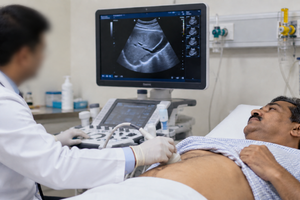
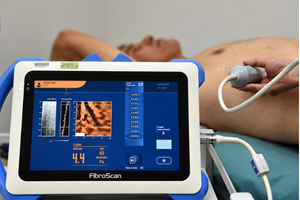
A fatty-liver finding on ultrasound or another scan does not by itself determine how much liver damage is present. Clinical assessment and non-invasive tests are used to estimate fibrosis risk and understand the overall liver condition.


Fatty liver treatment is individualized. Lifestyle and metabolic-risk management remain central, while selected patients with more advanced disease may require additional medical treatment and specialist follow-up.
Identify metabolic risk factors and review alcohol intake, medicines and other possible causes so treatment addresses the correct condition.
For people with MASLD who are overweight or obese, sustained weight loss can improve liver fat, inflammation and fibrosis. The supplied source notes that a 5–10% reduction in body weight is associated with clinically meaningful liver improvements.
Sustainable dietary improvement, including patterns emphasizing vegetables, whole foods, fibre and unsaturated fats, can support metabolic health.
Regular physical activity is a core part of management and should be individualized to the person's health and clinical circumstances.
Diabetes, high blood pressure, abnormal cholesterol and excess weight should be addressed as part of comprehensive care.
Selected patients with more advanced disease may require additional medical treatment. Specific medicines or regimens should be determined from current clinical assessment and clinician-approved guidance.
Long-term management focuses on maintaining improvements in metabolic risk, monitoring liver health and identifying patients whose disease requires closer specialist follow-up.
Continue individualized dietary improvement and physical activity rather than treating lifestyle change as a short-term intervention.
Ongoing attention to weight, diabetes or prediabetes, blood pressure and cholesterol supports long-term liver and cardiovascular risk management.
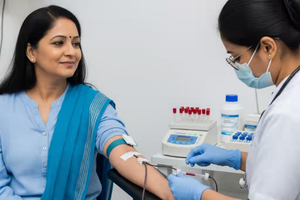
Follow-up blood tests, imaging or fibrosis assessment may be used according to the patient's clinical status.
Patients with fibrosis or established cirrhosis may need more structured specialist follow-up and surveillance appropriate to their stage.
Fatty liver can become clinically more complex when progressive inflammation and fibrosis have resulted in cirrhosis or other advanced liver disease. These patients may require coordinated hepatology, liver surgery, transplant and supportive care.
MASH can progress to fibrosis in some patients, making fibrosis assessment important when fatty liver is identified.
Advanced disease can involve loss of liver reserve and complications that require specialist management.
Advanced steatotic liver disease and cirrhosis are associated with increased liver-related cancer risk; surveillance depends on disease stage and risk factors.
Care may involve complication management, closer monitoring, nutritional/supportive care, cancer surveillance when appropriate and assessment for advanced liver-care pathways.
Most people with fatty liver disease do not need a liver transplant. Transplant evaluation becomes relevant when MASLD has progressed to advanced or decompensated cirrhosis, liver failure or selected liver-cancer indications.
Transplant evaluation may become relevant when advanced disease has significantly impaired liver function or complications are difficult to control.
Some patients with liver cancer arising in the setting of chronic liver disease may be evaluated for transplantation according to established criteria.
The transplant team considers liver disease severity together with overall health and other relevant clinical factors.
Where transplantation is appropriate, patients may be evaluated through applicable living-donor or deceased-donor pathways subject to medical, legal and allocation requirements.
Liver transplantation is considered for selected patients whose fatty liver disease has resulted in advanced liver disease, liver failure or an established transplant indication. The decision is individualized and depends on liver function, complications, overall health and transplant eligibility.
Significant loss of liver function may lead to transplant evaluation.
Complications of advanced cirrhosis may indicate the need for specialist assessment for transplantation.
Some patients with liver cancer may be evaluated for transplantation depending on tumour characteristics, liver function and established criteria.

MBBS · DNB (General Surgery) · Fellowship in Liver Transplantation, Global Hospital, Chennai
Dr. Manoj Shrivastav is a liver transplant surgeon at Ruby Hall Clinic, Pune, and currently leads the multi-organ transplant programme. He has personally completed over 200 liver transplants in Pune, 100 of them in the past year alone, with a survival rate above 95% and a one-year survival rate of 92% across his transplant series.


He is equipped to handle acute surgical emergencies and trauma across a variety of scenarios, has performed major liver resections for hepatocellular carcinoma and cholangiocarcinoma, and believes a successful transplant depends on excellent teamwork across the entire clinical team — not one surgeon alone.
Meet the TeamIn many people, reducing metabolic risk and achieving sustained weight loss can improve liver fat and other features of MASLD. The extent of improvement depends on the stage of disease.
No. Fatty liver describes fat accumulation in the liver. Some patients progress to inflammation and fibrosis, and advanced fibrosis can eventually lead to cirrhosis.
No. Treatment depends on the underlying cause and severity. Lifestyle and metabolic-risk management are central, while selected patients with more advanced disease may require additional medical treatment.
Yes. Cirrhosis is an important risk factor for hepatocellular carcinoma. Patients with cirrhosis may therefore require regular liver cancer surveillance as advised by their liver specialist.
Advanced steatotic liver disease and cirrhosis can increase liver-related risks. Individual surveillance needs depend on the patient's stage and risk factors.
Evaluation may include liver blood tests, ultrasound or other imaging, and non-invasive fibrosis assessment such as elastography. The exact pathway depends on the clinical situation.
MASLD means metabolic dysfunction-associated steatotic liver disease. It is the current term used for fatty liver associated with cardiometabolic risk factors such as overweight or obesity, diabetes, hypertension and abnormal cholesterol.
MASH means metabolic dysfunction-associated steatohepatitis. It refers to fatty liver with inflammation and can progress to fibrosis.
Specialist assessment is appropriate when liver tests remain abnormal, fibrosis is suspected, multiple metabolic risk factors are present, or cirrhosis or liver-related complications are identified.

Bring your liver blood-test reports, ultrasound or other scans, current medication list and relevant metabolic-health
information to your consultation.