Cause-Specific Follow-Up
Follow-up should remain focused on the condition responsible for the jaundice.


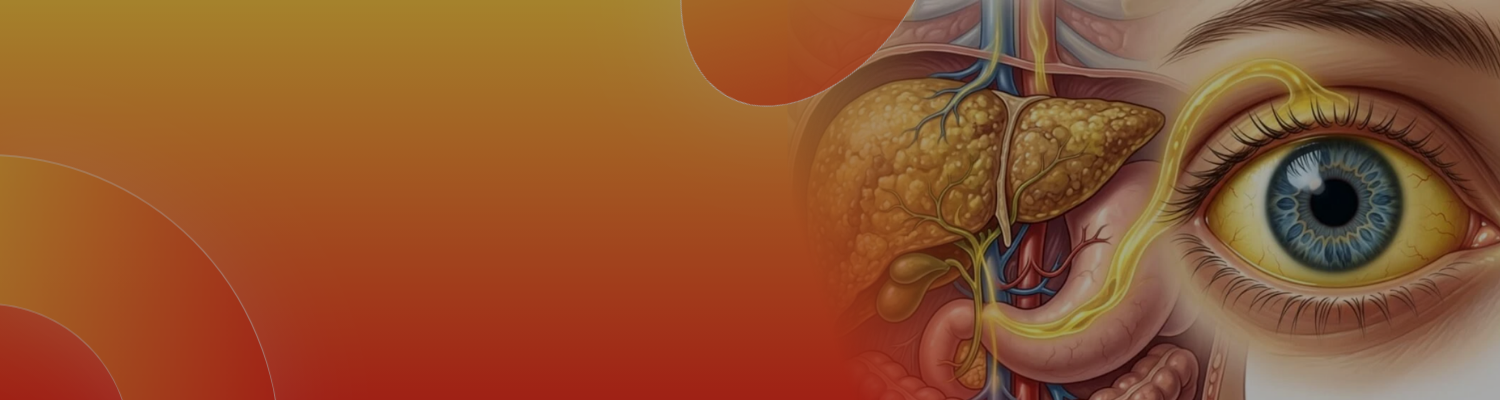
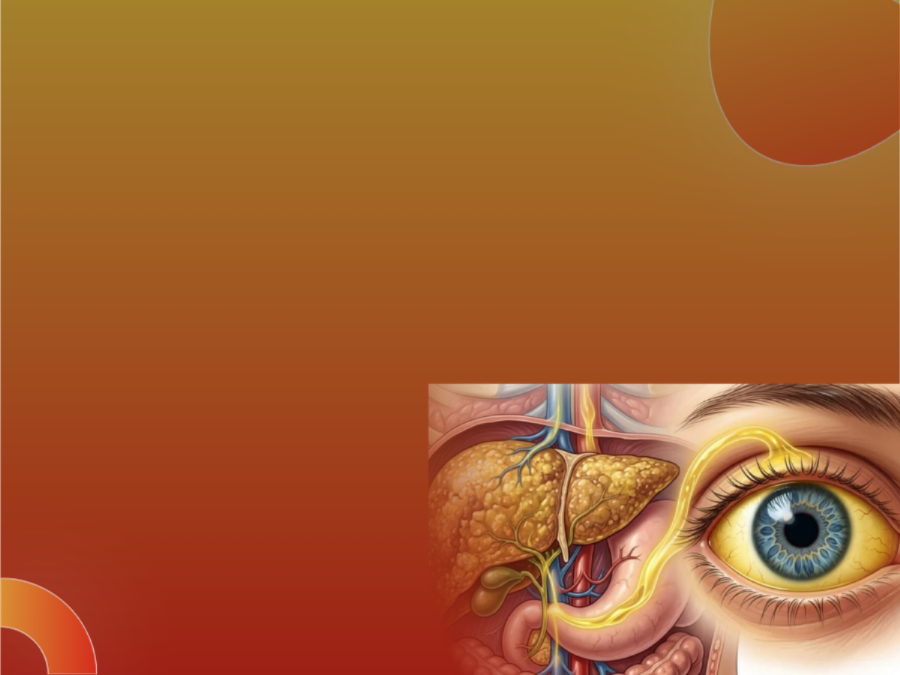
Jaundice is yellowing of the skin or the whites of the eyes caused by elevated bilirubin. It is a sign rather than a diagnosis, and the underlying cause may involve the liver, bile ducts, gallbladder, blood cells or other conditions.
Hepatitis, cirrhosis and other liver disorders can impair bilirubin processing and lead to jaundice.
Gallstones, bile-duct obstruction, strictures and some tumours can prevent normal bile flow.

Increased breakdown of red blood cells and inherited bilirubin disorders can also cause elevated bilirubin.
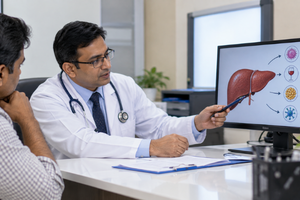
The supplied source groups the main pathways into liver-related disease, bile-flow problems and other causes. Use the same four-card clinical-pathway component as the locked HCV flow.
Hepatitis, cirrhosis and other liver disorders can affect bilirubin processing.
Obstruction or impaired bile flow can occur with gallstones, strictures and selected tumours.
Haemolysis can increase bilirubin production and contribute to jaundice.
Some inherited disorders affect bilirubin processing and can cause elevated bilirubin.
The most recognisable feature is yellowing of the skin or whites of the eyes. Other changes may accompany jaundice depending on the underlying cause.

Yellow discolouration occurs when bilirubin builds up in the body.
Dark urine can occur particularly when conjugated bilirubin is elevated.

Pale stools can occur when normal bile flow into the intestine is reduced or obstructed.
Itching may accompany cholestatic or obstructive patterns of jaundice.
Jaundice related to liver-cell injury, bile-flow obstruction or increased red-blood-cell breakdown can present differently.
New, persistent, unexplained, worsening or severe jaundice should be assessed promptly so the underlying cause can be identified and treated.
Jaundice itself is a sign, not a diagnosis. The page should use this six-card module to explain the important underlying conditions and clinical pathways supported by the source.
Hepatitis, cirrhosis and other liver disorders can impair bilirubin processing.
Impaired bile flow can produce obstructive patterns of jaundice.
Gallstones can contribute to bile-flow obstruction and jaundice.
Selected tumours can obstruct bile flow and require further evaluation.
Increased breakdown of red blood cells can raise bilirubin.
Jaundice can occur in advanced liver disease, but jaundice alone does not establish cirrhosis or liver failure.
The work-up depends on the patient's symptoms, examination and laboratory pattern.
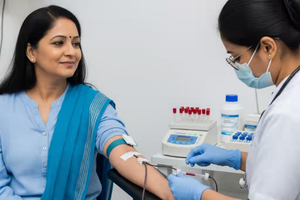
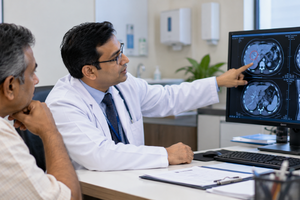
Jaundice is treated by addressing its underlying cause. Depending on the cause, management may involve medical treatment, relief of bile-duct obstruction, or specialist care for advanced liver disease.
Establish whether the pattern is liver-related, obstructive, blood-related or another cause.
Use total and direct/indirect bilirubin together with the broader clinical and laboratory picture.
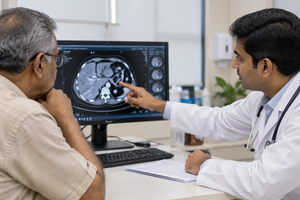
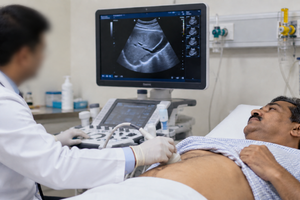
Use ultrasound and, when indicated, CT, MRI/MRCP or other imaging.
Management targets the liver disease and its complications when the cause is liver-related.
Endoscopic, radiological or surgical treatment may be required depending on the cause.
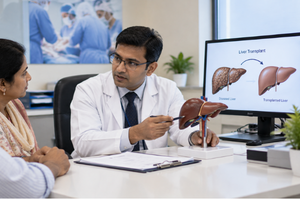
Severe jaundice in advanced liver disease may require specialist management and, in selected patients, transplant evaluation.
Follow-up depends on the underlying cause and whether the liver, bile ducts or another system was affected. The treating team may review symptoms, bilirubin and liver-test patterns and any imaging or specialist findings needed for the underlying condition.
Follow-up should remain focused on the condition responsible for the jaundice.
Further bilirubin, liver or blood testing may be used when clinically appropriate.
Patients with obstruction or structural disease may require follow-up imaging or specialist review.
Persistent, recurrent or unexplained jaundice requires reassessment rather than assuming the cause is resolved.
Jaundice can occur in advanced liver disease, but jaundice alone does not establish cirrhosis or liver failure. Assessment should determine the underlying cause, degree of liver dysfunction and presence of complications.
Patients with severe jaundice and signs of advanced liver dysfunction may require coordinated hepatology and transplant expertise.
The clinical priority is to determine whether jaundice is due to advanced liver disease, obstruction or another condition.
The presence of complications helps determine the level of specialist care required.
Selected patients may be considered for transplant evaluation based on their clinical condition.
Jaundice alone does not mean that a patient needs a liver transplant. Transplant evaluation becomes relevant only in selected patients when the underlying liver disease has progressed to advanced disease or liver failure and the clinical assessment supports a transplant pathway.
Patients with severe liver dysfunction may require assessment by a liver and transplant team.
The transplant pathway depends on the underlying liver condition rather than the presence of jaundice alone.
Evaluation considers liver disease severity, complications and overall health.
Keep the page focused on jaundice and bilirubin evaluation/treatment; link to the dedicated transplant page for broader programme information.
Liver transplantation is not a treatment for jaundice itself. It may be considered when jaundice is part of advanced liver disease or liver failure and the patient meets the requirements for transplant evaluation.
Significant impairment of liver function may lead to transplant assessment.
Complications of advanced liver disease may prompt referral for transplant evaluation.
Transplant assessment is individualized and depends on the underlying disease and overall clinical condition.

MBBS · DNB (General Surgery) · Fellowship in Liver Transplantation, Global Hospital, Chennai
Dr. Manoj Shrivastav is a liver transplant surgeon at Ruby Hall Clinic, Pune, and currently leads the multi-organ transplant programme. He has personally completed over 200 liver transplants in Pune, 100 of them in the past year alone, with a survival rate above 95% and a one-year survival rate of 92% across his transplant series.


He is equipped to handle acute surgical emergencies and trauma across a variety of scenarios, has performed major liver resections for hepatocellular carcinoma and cholangiocarcinoma, and believes a successful transplant depends on excellent teamwork across the entire clinical team — not one surgeon alone.
Meet the TeamNo. Jaundice has several possible causes, including liver disease, bile-flow obstruction and disorders involving red blood cells.
Visible jaundice generally occurs when bilirubin rises sufficiently above the normal range, but the exact appearance varies between individuals and should be interpreted alongside the clinical context.
New or rapidly worsening jaundice, especially with fever, severe abdominal pain, confusion, vomiting, bleeding or marked weakness, warrants prompt medical assessment.
Direct (conjugated) and indirect (unconjugated) bilirubin represent different stages of bilirubin handling. The pattern helps clinicians narrow the likely cause when interpreted with other clinical and laboratory findings.
Yes. Gallstones can contribute to bile-flow obstruction and may cause obstructive jaundice.
No. Elevated bilirubin can have liver-related, bile-flow, blood-cell or inherited causes.
Evaluation can include bilirubin and liver blood tests, blood counts, imaging and specialist assessment depending on the clinical situation.
Treatment depends on the cause. Management may target liver disease, bile-duct obstruction or another underlying condition.
Yes. Jaundice can occur in advanced liver disease, but jaundice alone does not establish cirrhosis; the underlying cause and degree of liver dysfunction must be assessed.

Discuss your symptoms, diagnosis or liver condition with the Liver Sciences team at Ruby Hall Clinic.