Tumour Type
The treatment pathway depends on whether the tumour is a primary liver cancer such as HCC or another tumour involving the liver.



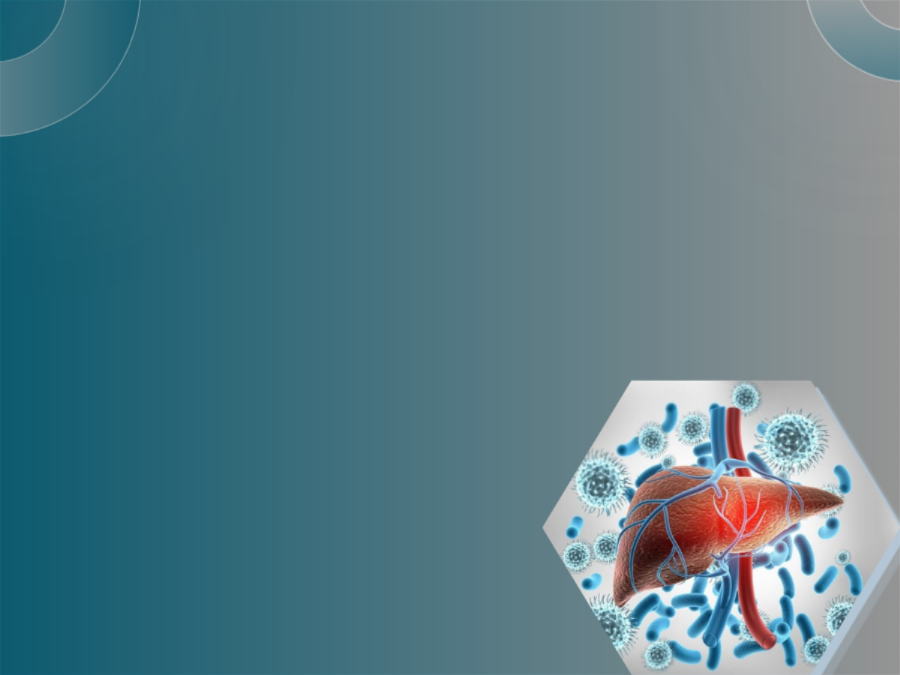
Liver cancer refers to malignant tumours involving the liver. Treatment depends on the tumour type and extent, the condition of the liver and the patient’s overall health.

A primary liver cancer that commonly arises in a liver affected by chronic liver disease such as cirrhosis or chronic viral hepatitis.

A cancer arising from the cells lining the bile ducts. Location influences the surgical and multidisciplinary treatment plan.

Different patients may need surgery, ablation, transplantation, locoregional treatment, systemic treatment or combinations of approaches.
Risk is increased by certain chronic liver conditions, particularly cirrhosis, and by selected chronic viral hepatitis infections. Metabolic liver disease can also be relevant. Surveillance should be determined by risk and specialist assessment.
Cirrhosis is an important setting in which hepatocellular carcinoma can arise.
Chronic hepatitis B and C are associated with HCC risk, particularly when significant chronic liver disease is present.
Metabolic liver disease, including NASH, can be relevant to liver-cancer risk.
Not every person requires the same surveillance plan. Follow-up should be determined by the treating specialist.
Liver cancer may be found during surveillance imaging or after symptoms lead to medical evaluation. Some patients may have few or nonspecific symptoms.

Some liver cancers are detected during surveillance or imaging before prominent symptoms develop.

New or changing symptoms should be assessed in the context of the patient’s liver history.

Changes in appetite, weight or general health require clinical interpretation rather than being assumed to represent cancer.

Jaundice and other liver-related signs may occur depending on tumour location and underlying liver disease.

A liver nodule or mass found on imaging requires appropriate characterization rather than assumptions.

Persistent, unexplained or worsening symptoms should prompt appropriate medical assessment.
Use the standardized six-card multidisciplinary module. Keep the page focused on liver-cancer diagnosis and treatment while using related clinical pathways only where they support the cancer journey.
The treatment pathway depends on whether the tumour is a primary liver cancer such as HCC or another tumour involving the liver.
Size, number and distribution of lesions influence treatment planning.
Anatomical location and relationship to vessels or bile ducts can affect which treatments are feasible.
Underlying liver function influences treatment options, especially when chronic liver disease is present.
Evaluation usually combines clinical history with blood tests, liver imaging and assessment of the underlying liver. The exact testing pathway depends on imaging findings and suspected tumour type.
Liver and other laboratory testing supports the overall clinical assessment.
Ultrasound may detect a lesion; CT or MRI can provide further characterization.
Imaging helps assess lesion size, number, location and relationship to vessels or bile ducts.
Underlying liver function influences treatment options.
Selected patients require evaluation for disease outside the primary lesion.
Complex cases may require coordinated input from liver surgeons, hepatology, radiology, oncology and other specialists.
Treatment depends on tumour type, size, number, location, liver function and overall clinical condition. The final plan is individualized.
Selected patients may undergo liver surgery to remove the tumour while preserving adequate liver function.
Local ablation may be considered for selected tumours when appropriate.
Selected patients may be considered for transplantation when tumour and liver characteristics fit the transplant pathway
Some patients may require treatments directed at the tumour or its blood supply
Advanced disease may require systemic therapy according to tumour type and clinical assessment.
The final plan may combine modalities and is determined case by case.
Follow-up depends on the treatment received, tumour biology, recurrence risk and the condition of the underlying liver. Surveillance should be individualized by the treating team.
Clinical review helps assess recovery and identify new concerns.
Selected patients require follow-up imaging according to their risk and treatment pathway.
Patients with chronic liver disease may need ongoing assessment of liver function and related complications
The surveillance plan should be determined by tumour type, treatment and clinical risk.
Transplantation is a treatment option for selected patients rather than every patient with liver cancer. Eligibility depends on tumour characteristics, liver condition and overall clinical assessment.
The team considers tumour characteristics together with the condition of the underlying liver.
Some patients may be considered for transplantation as part of their cancer-treatment pathway.
Transplant suitability requires specialist assessment; avoid publishing fixed stage/size eligibility rules unless separately approved.

MBBS · DNB (General Surgery) · Fellowship in Liver Transplantation, Global Hospital, Chennai
Dr. Manoj Shrivastav is a liver transplant surgeon at Ruby Hall Clinic, Pune, and currently leads the multi-organ transplant programme. He has personally completed over 200 liver transplants in Pune, 100 of them in the past year alone, with a survival rate above 95% and a one-year survival rate of 92% across his transplant series.



He is equipped to handle acute surgical emergencies and trauma across a variety of scenarios, has performed major liver resections for hepatocellular carcinoma and cholangiocarcinoma, and believes a successful transplant depends on excellent teamwork across the entire clinical team — not one surgeon alone.
Meet the TeamNo. Treatment depends on tumour type, stage, location, liver function and overall clinical condition.
Selected patients may undergo liver resection when tumour characteristics and liver function make surgery appropriate.
Ablation may be an option for selected tumours after specialist assessment.
Hepatocellular carcinoma is a primary liver cancer that commonly arises in a liver affected by chronic liver disease.
Cholangiocarcinoma is cancer arising from the cells lining the bile ducts, and treatment depends partly on its anatomical location.
Patients should be assessed by a specialist liver team with access to appropriate surgical, hepatology, radiology and oncology expertise.
The page should describe only currently verified liver-cancer services and multidisciplinary programme capabilities at publication.

Bring your scans, laboratory reports, previous treatment records and pathology reports where available.