Decompensated cirrhosis
Advanced liver disease with complications may lead to transplant evaluation.



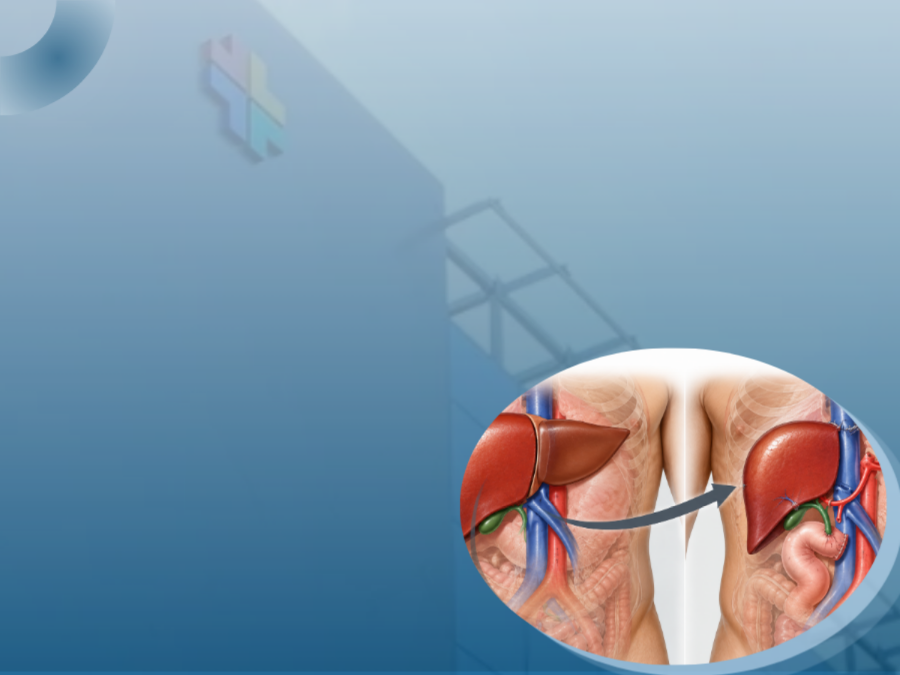
A liver transplant is surgery that replaces a diseased or failing liver with a healthy donor liver or an appropriate portion of a donor liver, depending on the transplant pathway. It is considered for selected patients whose condition warrants transplantation.
The aim is to restore liver function when the patient’s own liver can no longer adequately perform its roles.
A suitable living donor may donate a portion of the liver after medical and other required evaluation.
A deceased-donor liver becomes available through the applicable organ-donation and allocation system.
Liver transplantation requires major surgery and coordinated perioperative, critical-care and long-term medical support.
Not every patient with chronic liver disease needs a transplant.
Transplantation is followed by long-term medicines, monitoring and specialist follow-up.
Transplant evaluation may be considered in advanced or decompensated liver disease, acute liver failure, selected liver cancers and certain metabolic, genetic or other conditions. Suitability is determined by individual specialist assessment.
Advanced liver disease with complications may lead to transplant evaluation.
Some severe cases require urgent specialist evaluation.
Transplantation may be considered for appropriately selected patients based on tumour and liver characteristics.
Certain metabolic, genetic or other liver-related conditions may warrant evaluation depending on the clinical situation.
Evaluation combines specialist consultation, review of the liver condition, laboratory and imaging assessment, assessment of overall health and, when relevant, evaluation of a potential living donor.
Initial specialist consultation and review of medical records.
Assessment of liver disease severity and current clinical condition.
Review of available laboratory tests and imaging, with further investigations where indicated.
Donor assessment when a living-donor pathway is being considered.
Suitability review and discussion of the appropriate transplant pathway.
Plan next steps, follow-up and any additional evaluation.
The exact work-up varies, but the supplied transplant material identifies blood tests, imaging, assessment of liver severity, review of other organ systems and medical conditions, infection/other screening, nutrition and donor work-up as relevant components.

Liver function, blood counts, kidney function and other relevant clinical factors.

Liver, vessels, anatomy and other findings relevant to treatment planning.

Overall fitness for major surgery when additional assessment is indicated.

Testing arranged according to transplant evaluation and clinical situation.

Nutritional status and frailty can influence pre- and posttransplant care.

A potential living donor undergoes independent evaluation focused on donor safety and suitability.

MBBS · DNB (General Surgery) · Fellowship in Liver Transplantation, Global Hospital, Chennai
Dr. Manoj Shrivastav is a liver transplant surgeon at Ruby Hall Clinic, Pune, and currently leads the multi-organ transplant programme. He has personally completed over 200 liver transplants in Pune, 100 of them in the past year alone, with a survival rate above 95% and a one-year survival rate of 92% across his transplant series.


He is equipped to handle acute surgical emergencies and trauma across a variety of scenarios, has performed major liver resections for hepatocellular carcinoma and cholangiocarcinoma, and believes a successful transplant depends on excellent teamwork across the entire clinical team — not one surgeon alone.
Meet the TeamNo. Many patients with cirrhosis are managed without transplantation. Evaluation is considered in selected advanced or decompensated disease.
The diseased liver is removed and replaced with a donor liver or suitable donor graft, with restoration of blood flow and bile drainage.
Common categories include advanced/decompensated liver disease, acute liver failure, selected liver cancers and selected metabolic or genetic conditions.
Timing varies by evaluation findings, donor pathway, waiting-list requirements and individual clinical circumstances.
For selected patients, transplantation may form part of liver cancer treatment. Eligibility depends on tumour and liver characteristics.

Speak with the Liver Sciences & Multi-Organ Transplant team at Ruby Hall Clinic, Pune. Bring available medical
records, imaging, laboratory reports and previous treatment details where available.